Connected hardware, production AI agents, warehouse digital twins, and respondent verification for research panels.
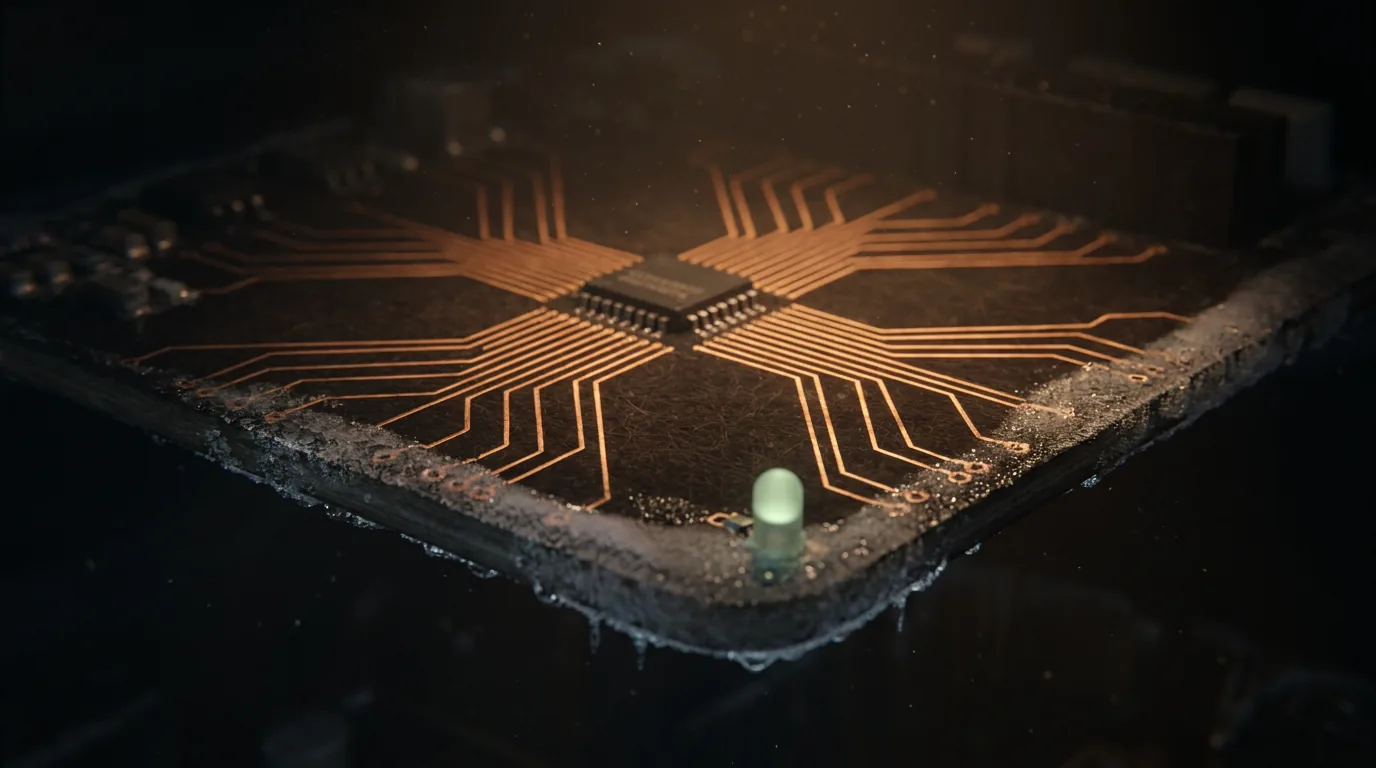
Hardware that talks when it was not designed to
We design and build our own boards, ESP32 class, 24V, deployed inside commercial refrigeration. They report temperature, door events and power state over cellular links that drop for hours.
Because the link is unreliable the device buffers locally and reconciles when it reconnects, and messages carry their own identity, so a replayed backlog cannot double-count a door opening. One equipment vendor would not release their protocol. We captured the bus traffic and reconstructed it, and those units are still reporting.
Nobody has trouble with the sensor. The trouble is a network you cannot trust and hardware you cannot physically reach, so the firmware has to assume it is offline and be surprised when it is not.
Agents that run unattended for years
Production AI agents that hold real conversations with real customers, on WhatsApp and the web, with no human in the loop. Tens of thousands of messages handled, across years of continuous operation.
We now run our own WhatsApp gateway. We used to rent one, and it went dark mid-service in a dispute we had no part in and no way to influence. That was our error to own: we had put a client's live channel on a dependency we could not restart. Conversation state is now persisted per turn, so a dropped reply is recoverable, and a retry returns the answer already paid for.
Unattended does not mean unwatched. Every agent we run has a defined stop: a list of subjects it refuses and hands to a person, and a confidence floor below which it stops guessing and escalates. Failures are invisible to the customer and loud to the operator, which is the only version of that trade worth having.
The hard part is the ten thousandth conversation, not the first: recovering its own state, and still running on a Sunday when nobody is watching.
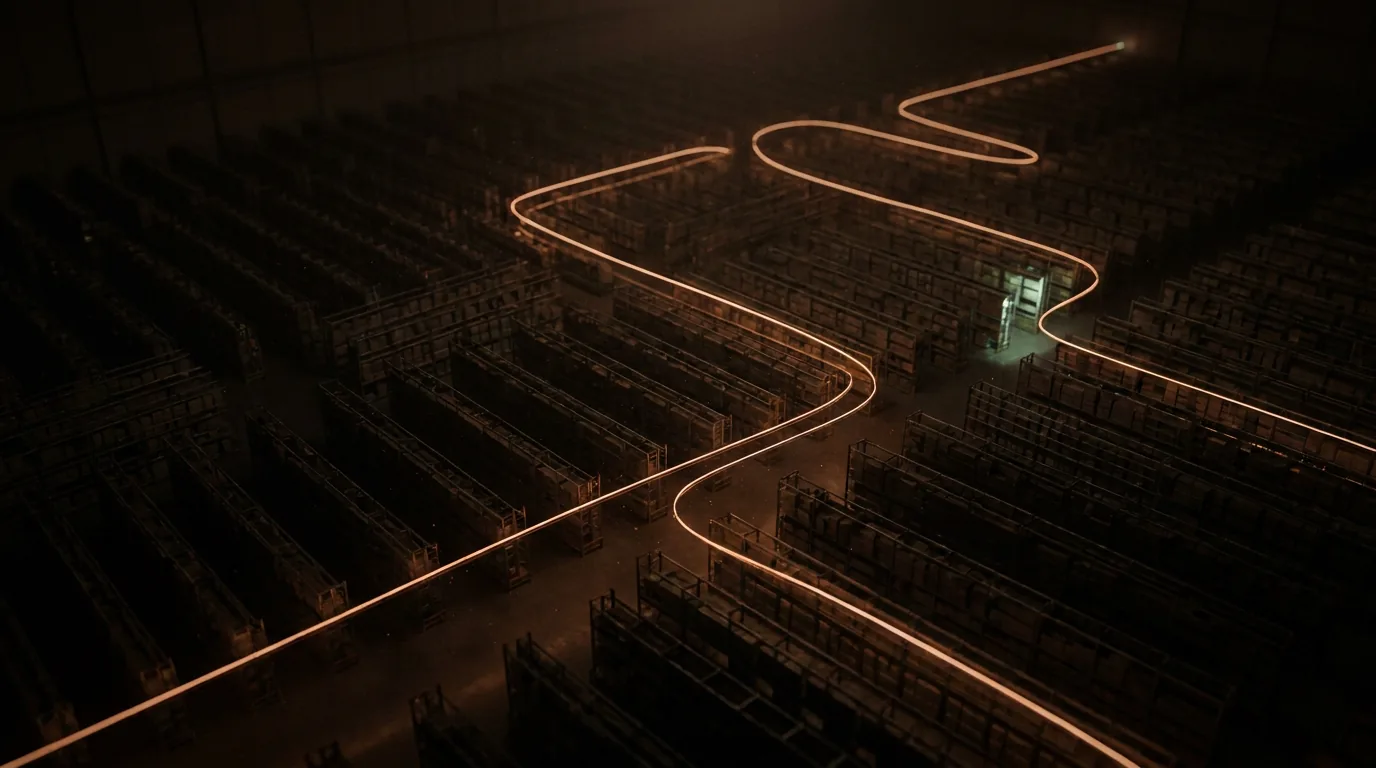
Warehouses that tell you what is wrong with them
Digital twins of live distribution operations, built from movement data. We stopped building them from the warehouse's own plan because the plan and the floor diverge within months of go-live.
On one 165,000 square metre site we ran evolutionary simulation against the real pick history and the model kept converging on a layout close to the inverse of the one in use. The fastest moving stock was in the furthest locations, and had been for years.
Warehouse data almost never says anything is wrong. It reports what the operation did, not what it could have done, so the gap only appears once you model the second one.
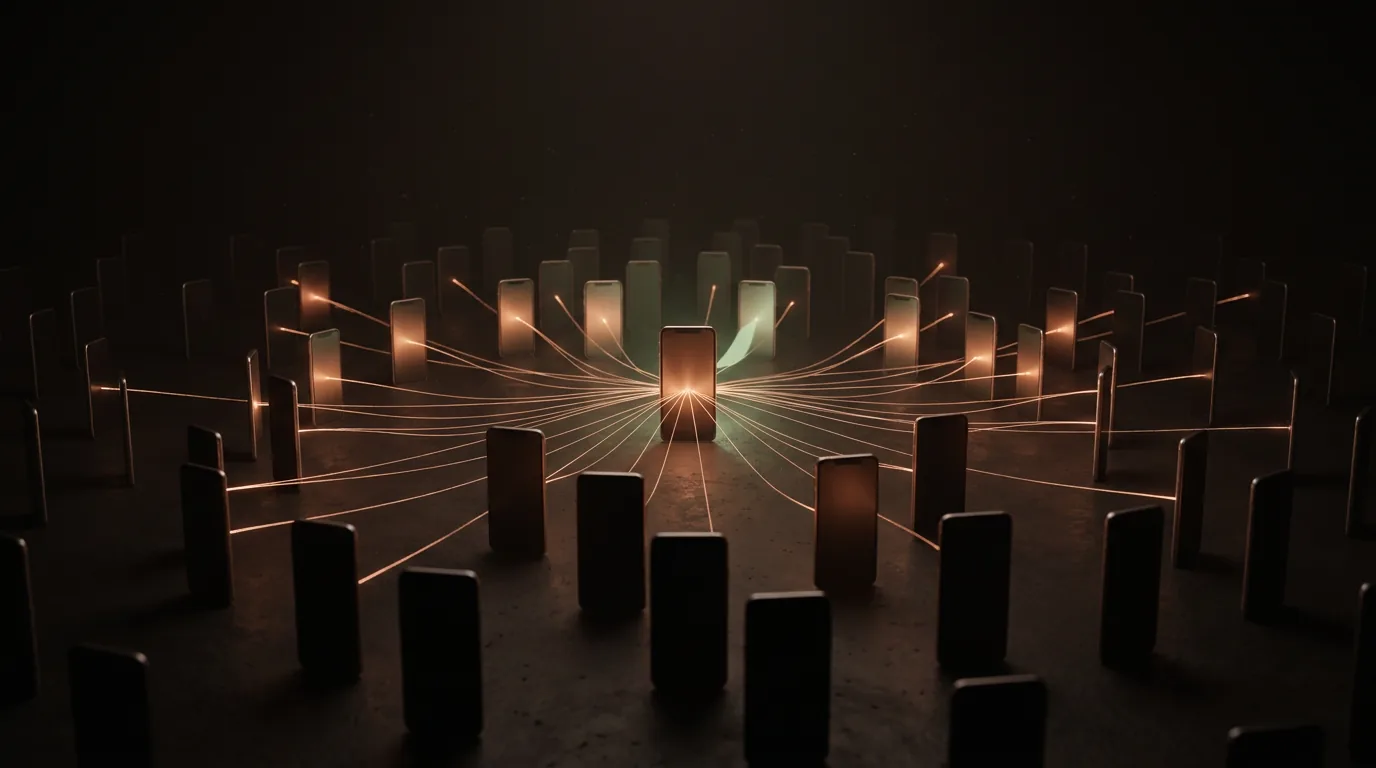
Systems that find the respondent farms inside your panel
The fraud we find is rarely a bot. It is a paid human in a respondent farm, working through dozens of accounts on one handset, clearing state between sessions so each pass looks like a new person. They solve CAPTCHAs easily, because they are people. They pass attention checks, because they have seen thousands. They vary their answers just enough to survive straight-line detection.
So we stopped trying to catch the answers and started catching the operation: state cleared between sessions, one device behind many identities, completion velocity, network overlap dense enough to separate a call centre from a family, and the fingerprints that survive an account switch. Five signals, weighted into a probability rather than a verdict, because the client sets the threshold. A brand tracker and a pharmaceutical study do not want the same one.
This is personal-data processing before it is anything else. We work as a processor on the client's lawful basis and inside their governance, never as the controller. How we handle data.
We do not issue a pass or a fail. An honest respondent having a bad afternoon and a professional having a good one look similar on any single signal, and a system that hides that from you is lying about how hard the problem is.